
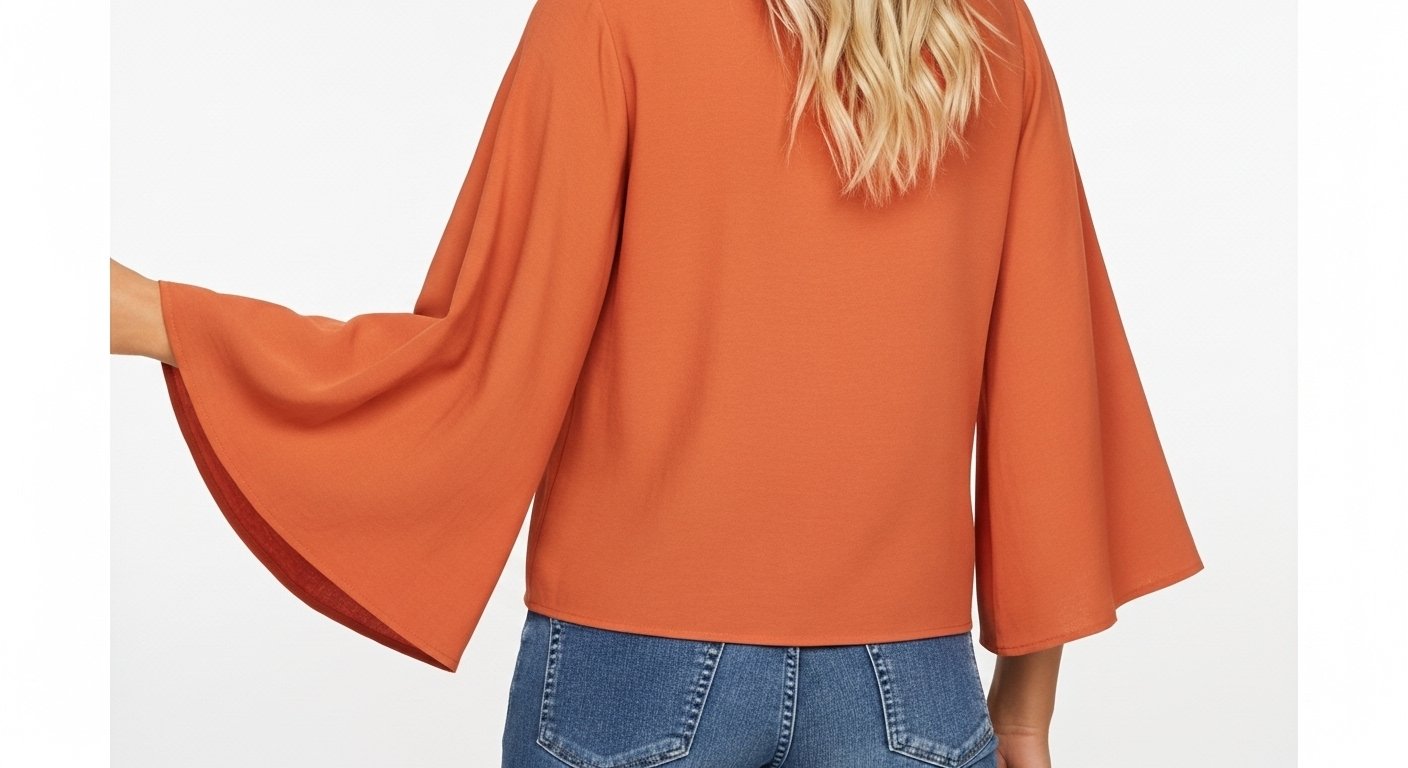
Eine selbstgenähte Bluse ist ein Ausdruck von Individualität und Stil. Die Bluse mit V-Ausschnitt und halbfreien Schultern ist ein Projekt, das nicht nur Spaß macht, sondern auch ein Kleidungsstück hervorbringt, das bewundernde Blicke auf sich zieht.
Stell dir vor, wie du diese wunderschöne Bluse mit V-Ausschnitt und halbfreien Schultern trägst, die du selbst kreiert hast – ein einzigartiges Stück, das deine Persönlichkeit widerspiegelt. Lass uns gemeinsam in die Welt des Nähens eintauchen und diese bezaubernde Bluse erschaffen!
Die Bluse bietet dank des einfachen Schnitts auch Nähanfängern die Möglichkeit, ein modisches Kleidungsstück zu zaubern.
Der V-Ausschnitt und die halbfreien Schultern verleihen der Bluse eine elegante Note, die sowohl im Alltag als auch zu besonderen Anlässen überzeugt.
Mit verschiedenen Stoffen und Mustern lässt sich die Bluse vielseitig gestalten und an den persönlichen Stil anpassen.
Das Selbernähen spart Geld und ermöglicht es, Kleidungsstücke in perfekter Passform und Qualität zu erstellen.
Materials for Bluse mit V-Ausschnitt und halbfreien Schultern
Here’s what you’ll need to create this beautiful sewing project:
The complete materials list, including measurements, is provided in the project details below.
How to Sew Bluse mit V-Ausschnitt und halbfreien Schultern
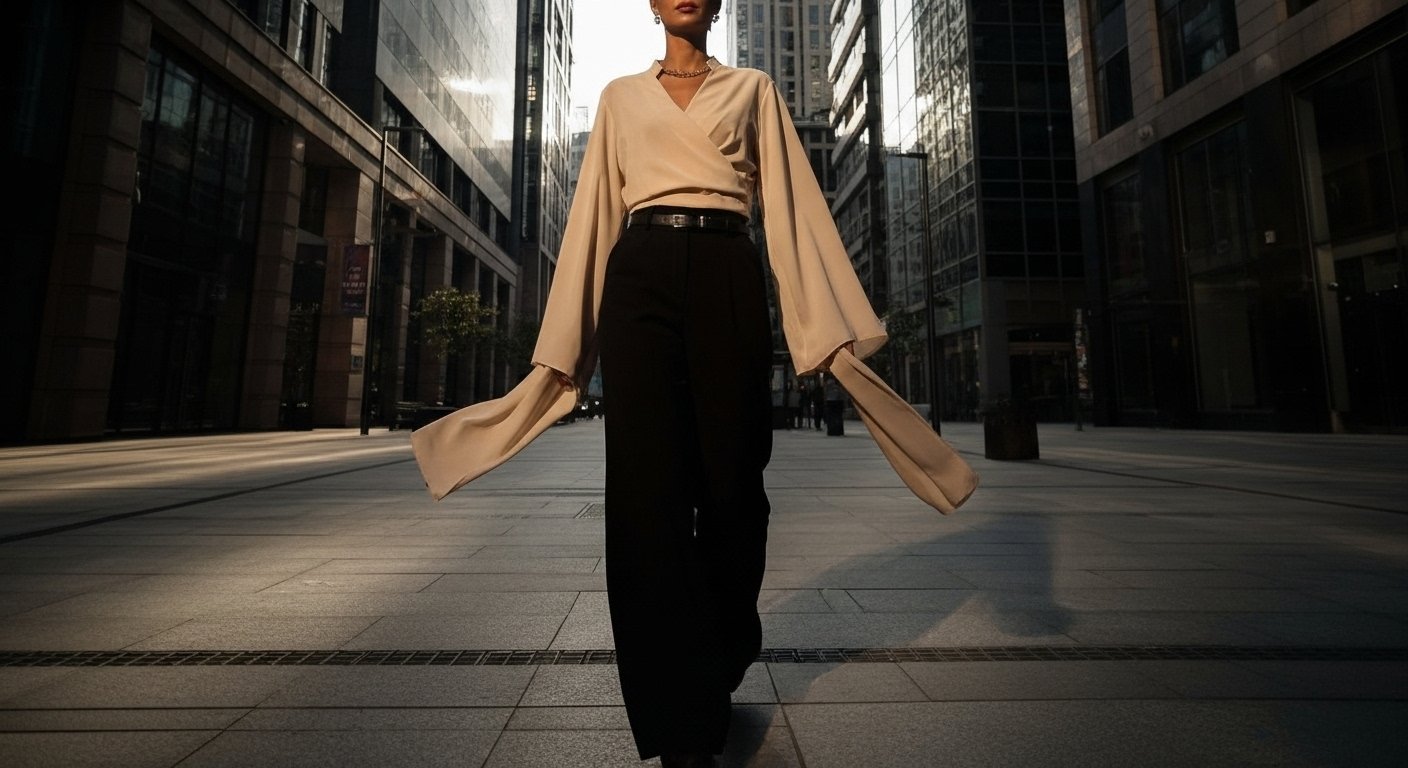
Follow these simple steps to create this beautiful sewing project:
Step 1: Schnittmuster vorbereiten und zuschneiden
Übertrage das Schnittmuster auf Schnittmusterpapier und passe es gegebenenfalls an deine Maße an. Schneide die Schnittmusterteile sorgfältig aus. Lege die Schnittmusterteile auf den Stoff, fixiere sie mit Stecknadeln und schneide die Stoffteile mit einer Nahtzugabe von ca. 1 cm aus.
Step 2: V-Ausschnitt verstärken (optional)
Wenn du den V-Ausschnitt verstärken möchtest, bügle Vlieseline auf die linke Seite des Stoffes entlang des Ausschnitts. Dies verhindert ein Ausleiern und sorgt für eine saubere Kante.
Step 3: Schulterpartie vorbereiten
Säume die Schulterpartie um ca. 1 cm nach innen und steppe sie knappkantig ab. Lasse dabei eine kleine Öffnung, um das Gummiband einzuziehen.
Step 4: Gummiband einziehen
Ziehe das Gummiband mithilfe einer Sicherheitsnadel durch den Saum der Schulterpartie. Passe die Länge des Gummibands an deine Schulterbreite an und fixiere die Enden mit einigen Stichen. Verschließe die Öffnung im Saum.
Step 5: Seitennähte schließen
Lege die Vorder- und Rückseite der Bluse rechts auf rechts aufeinander und fixiere die Seitennähte mit Stecknadeln. Nähe die Seitennähte mit einem geraden Stich und versäubere die Kanten mit einem Zickzackstich oder einer Overlockmaschine.
Step 6: Saum nähen
Säume den unteren Saum der Bluse um ca. 2 cm nach innen und steppe ihn fest. Du kannst den Saum auch mit einer Zwillingsnadel nähen, um einen professionellen Look zu erzielen.
Bügle deine fertige Bluse mit V-Ausschnitt und halbfreien Schultern für ein professionelles Finish.
Perfecting the Sewing Process
To achieve the best results, always cut all pattern pieces first. Then, sew the major seams like shoulder and side seams. Next, add the sleeves or any decorative elements. Finally, finish all edges for a clean, professional look.
Add Your Personal Touch
Consider using a bold, patterned fabric for a statement piece. Alternatively, embellish the Bluse mit V-Ausschnitt und halbfreien Schultern with lace trim or embroidery. Change the sleeve length for different seasons and occasions.
Caring for Your Creation
To prolong the life of your sewn garment, wash it inside out on a gentle cycle. Avoid high heat when drying; air drying is preferable. Iron on a low setting if needed, or use a steamer.
Here are three helpful tips for perfecting your sewing project:
Always pre-wash your fabric to prevent shrinkage and color bleeding after the garment is sewn. This ensures a better fit and lasting quality.
Use a walking foot when sewing slippery fabrics to prevent layers from shifting, resulting in even and professional-looking seams.
Press each seam as you go; this simple step can dramatically improve the overall look and fit of your finished Bluse mit V-Ausschnitt und halbfreien Schultern.
(Personal anecdote)
I remember when I made my first Bluse mit V-Ausschnitt und halbfreien Schultern, my friends complimented me saying it looked store-bought! It was the pressing that made all the difference.
Now, let’s dive into creating your own beautiful Bluse mit V-Ausschnitt und halbfreien Schultern.
Choosing the Right Fabric
Selecting the perfect fabric is crucial for your Bluse mit V-Ausschnitt und halbfreien Schultern. The drape, weight, and texture of the fabric will significantly impact the final look and feel of your garment. Consider the following options:
Lightweight Options for Drape
For a flowy and ethereal look, opt for lightweight fabrics like rayon challis or silk crepe de chine. These fabrics have a beautiful drape that complements the V-neck and off-the-shoulder design. They are ideal for warmer weather and create a relaxed, comfortable fit. Sewing with these fabrics can be tricky, so use a fine needle and delicate stitch settings.
Medium-Weight Fabrics for Structure
If you prefer a more structured silhouette, consider using medium-weight fabrics such as cotton lawn or linen. These fabrics provide more body and are easier to handle, making them a great choice for beginners. They offer a classic, timeless look that can be dressed up or down. Remember to pre-wash these fabrics to prevent shrinkage.
Fabric Considerations for the V-Neck
The V-neck design requires a fabric that can hold its shape well without being too stiff. A stable knit fabric with some stretch, like a cotton-spandex blend, can work well. Interfacing can reinforce the V-neck area for added support and prevent stretching. Testing a small fabric swatch is a good idea to see how it drapes and behaves when sewn into a V-neck.
Mastering the V-Neck Technique
The V-neck can be a tricky element to sew, but with the right techniques, it can be easily mastered. Here’s a step-by-step guide to creating a perfect V-neck for your Bluse mit V-Ausschnitt und halbfreien Schultern:
Preparing the V-Neck Facing
Start by cutting the V-neck facing according to your pattern. Apply fusible interfacing to the facing to give it structure and prevent stretching. This step is crucial for achieving a clean and professional finish. Remember to trim the interfacing close to the seam allowance to reduce bulk.
Sewing the V-Neck Seam
Pin the facing to the right side of the blouse, aligning the V-neck edges carefully. Sew along the V-neck seam line, using a short stitch length for added security. When you reach the point of the V, stop with the needle down, lift the presser foot, and pivot the fabric. This ensures a sharp, clean point.
Clipping and Understitching
Clip into the V-neck seam allowance, being careful not to cut through the stitching. This allows the facing to turn smoothly. Understitch the facing to the seam allowance, close to the edge of the facing. This helps the facing stay in place and prevents it from rolling to the right side of the blouse.
Turning and Pressing
Turn the facing to the inside of the blouse and press the V-neck seam flat. Use a point turner or a chopstick to gently push out the point of the V. A well-pressed V-neck is essential for a polished look. Consider using a pressing cloth to protect delicate fabrics from scorching.
Creating the Halbfreie Schultern (Off-the-Shoulder) Effect
The off-the-shoulder design adds a touch of elegance and femininity to the blouse. Here’s how to achieve this effect flawlessly:
Adjusting the Shoulder Seams
The key to a comfortable and flattering off-the-shoulder fit is adjusting the shoulder seams. Lower the shoulder seams by the amount specified in your pattern. This will allow the blouse to sit comfortably on your shoulders without slipping off. Ensure both shoulder seams are adjusted equally for a balanced look.
Adding Elastic for Security
To keep the blouse securely in place, add elastic along the upper edge of the bodice. Measure the circumference of your shoulders and cut the elastic slightly shorter than this measurement. Sew the elastic to the wrong side of the bodice, stretching it slightly as you sew. This will create a gentle gathering effect that keeps the blouse in place.
Finishing the Edges
Finish the edges of the off-the-shoulder area with a narrow hem or binding. This will give the blouse a clean and professional finish. A serger can be used to quickly and easily finish the edges, preventing fraying and adding durability. If you don’t have a serger, a zigzag stitch or a rolled hem will also work well.
Sleeve Options and Techniques
The sleeves can significantly change the look of your Bluse mit V-Ausschnitt und halbfreien Schultern. Consider these options:
Short Sleeves for Casual Wear
Short sleeves are perfect for warmer weather and create a casual, relaxed look. Use a simple set-in sleeve pattern or modify an existing pattern to create a short sleeve. Hem the sleeves with a narrow hem or add a decorative trim. A cuffed short sleeve can also add a touch of sophistication.
Long Sleeves for Elegance
Long sleeves add elegance and sophistication to the blouse. Choose a long sleeve pattern that complements the overall design of the blouse. Gathered sleeves or bishop sleeves can add a romantic touch. Ensure the sleeves are long enough to reach your wrist comfortably.
Attaching the Sleeves
Sew the sleeves to the bodice using a standard set-in sleeve technique. Pin the sleeve to the armhole, matching the notches carefully. Sew the seam with a consistent seam allowance. Finish the seam allowance with a serger or a zigzag stitch to prevent fraying.
Adding Finishing Touches
The finishing touches can elevate your Bluse mit V-Ausschnitt und halbfreien Schultern from homemade to haute couture.
Hemming the Blouse
A well-executed hem is essential for a professional finish. Choose a hem style that suits the fabric and design of your blouse. A narrow hem, a rolled hem, or a blind hem are all good options. Press the hem carefully before sewing to ensure a clean, even finish.
Adding Decorative Details
Consider adding decorative details such as lace trim, buttons, or embroidery to personalize your blouse. These details can add a unique touch and make your blouse stand out. Experiment with different embellishments to create a look that reflects your personal style.
Pressing and Final Adjustments
Give your finished blouse a final press to remove any wrinkles and set the seams. Check the fit and make any necessary adjustments. A well-pressed and properly fitted blouse will look and feel its best.
(Personal anecdote)
Once, I forgot to clip the V-neck seam allowance, and the point wouldn’t lay flat. I had to carefully unpick the seam and redo it. Now, I always double-check!
Remember, sewing is a journey, not a race. Enjoy the process, learn from your mistakes, and take pride in your creations. Your Bluse mit V-Ausschnitt und halbfreien Schultern will be a testament to your skill and creativity!
Conclusion für Bluse mit V-Ausschnitt und halbfreien Schultern:
Die Anfertigung einer Bluse mit V-Ausschnitt und halbfreien Schultern ist ein lohnendes Nähprojekt. Die Wahl des richtigen Stoffes, eine sorgfältige Verarbeitung des V-Ausschnitts und eine clevere Technik für die halbfreien Schultern sind entscheidend. Mit etwas Übung und Geduld entsteht ein Kleidungsstück, das sowohl stilvoll als auch komfortabel ist. Ob für den Sommer oder festliche Anlässe – diese Bluse ist ein echter Hingucker und ein Beweis für deine Nähkünste. Viel Freude beim Nähen und Tragen deiner selbstgemachten Bluse!
FAQs:
Welche Stoffe eignen sich am besten für eine Bluse mit V-Ausschnitt und halbfreien Schultern?
Für eine Bluse mit V-Ausschnitt und halbfreien Schultern eignen sich leichte, fließende Stoffe hervorragend. Dazu gehören Baumwollvoile, Leinen, Viskose oder Seide. Diese Stoffe fallen schön und verleihen der Bluse einen eleganten Look. Wähle einen Stoff, der sich angenehm auf der Haut anfühlt und atmungsaktiv ist, besonders wenn du die Bluse im Sommer tragen möchtest. Denke auch daran, den Stoff vor dem Zuschneiden zu waschen, um ein Einlaufen nach dem Nähen zu vermeiden. Ein Probestück kann dir helfen, die Fallwirkung des Stoffes einzuschätzen.
Wie nähe ich einen sauberen V-Ausschnitt?
Ein sauberer V-Ausschnitt erfordert Präzision. Verstärke den Ausschnitt vor dem Nähen mit Bügeleinlage. Nähe langsam und exakt entlang der Nahtlinie. Schneide die Nahtzugabe vorsichtig bis kurz vor der Naht ein, damit sich der Stoff gut legen kann. Bügle den Ausschnitt sorgfältig aus, um eine scharfe, saubere Kante zu erhalten. Verwende eine feine Nadel und dünnen Faden, um ein professionelles Ergebnis zu erzielen. Übung macht den Meister – probiere es zuerst an einem Stoffrest aus!
Welche Technik verwende ich für die halbfreien Schultern?
Für die halbfreien Schultern gibt es verschiedene Möglichkeiten. Du kannst einen Gummizug in den Saum einnähen, um einen gerafften Effekt zu erzielen, oder du verwendest schmale Träger, um die Bluse an Ort und Stelle zu halten. Eine andere Option ist, den Schulterbereich mit einem Beleg zu versehen, der leicht elastisch ist, um Komfort und Bewegungsfreiheit zu gewährleisten. Achte darauf, dass die Schulterpartie gut sitzt, ohne zu rutschen oder einzuschnüren. Probiere verschiedene Techniken aus, um die beste Lösung für deinen Stil zu finden.
Wie passe ich das Schnittmuster an meine Maße an?
Das Anpassen des Schnittmusters ist entscheidend für eine gute Passform. Miss deine Brust-, Taillen- und Hüftumfang und vergleiche sie mit den Angaben im Schnittmuster. Passe die Länge des Oberteils und der Ärmel an deine Körpergröße an. Bei Bedarf kannst du das Schnittmuster an den Seitenlinien oder an der Schulterpartie verändern. Es ist ratsam, ein Probestück aus Nesselstoff zu nähen, um die Passform zu überprüfen, bevor du den endgültigen Stoff zuschneidest. So vermeidest du teure Fehler und stellst sicher, dass deine Bluse perfekt sitzt.